Insider
The Snowy Spectacle Of Spectre
Creating The Ultimate Plane Versus Car Chase
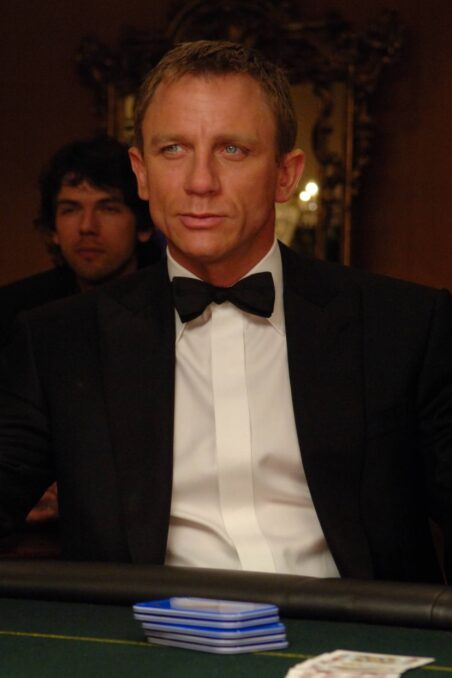
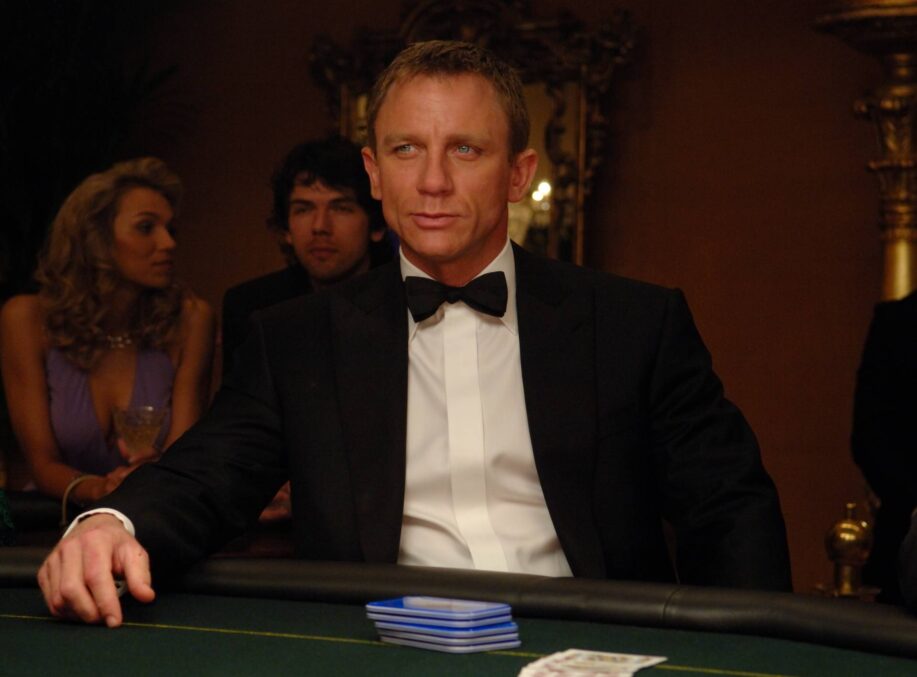
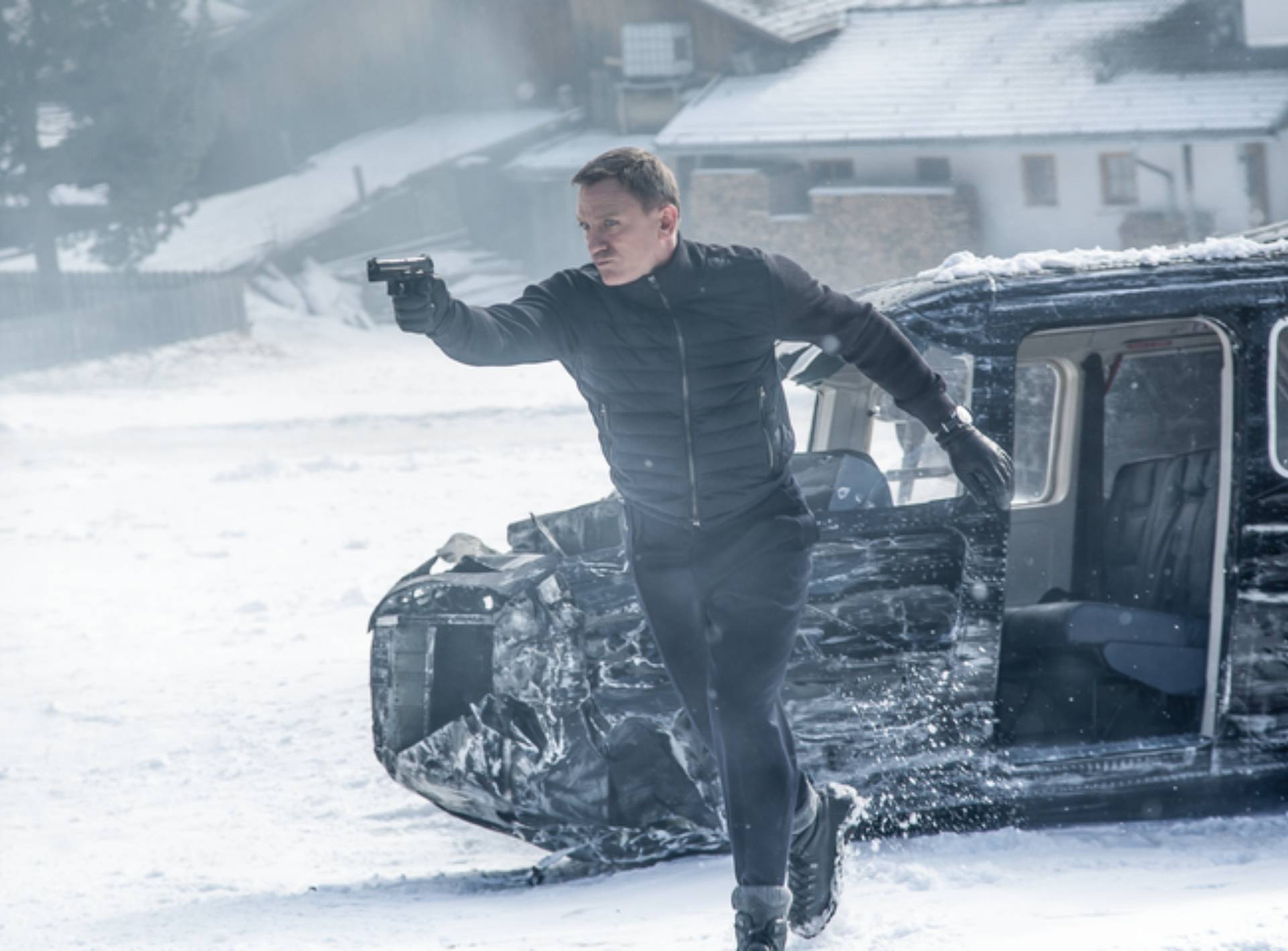
Within all the globetrotting adventures in Spectre — Mexico, Rome, Tangier, London — the Alpine sequences in Austria remain among the most exciting. Searching for Madeleine Swann (Léa Seydoux), the daughter of Mr. White (Jesper Christensen), James Bond (Daniel Craig) tracks her down working as a psychologist in the secluded Hoffler Klinik in Altaussee. When she is kidnapped by SPECTRE operative Hinx (Dave Bautista), Bond gives chase in a Britten-Norman BN-2 Islander monoplane, crashing into the Range Rover convoy and rescuing an irate Madeleine.
The sequence was a throwback to classic 007 snowbound sequences in On Her Majesty’s Secret Service and The Spy Who Loved Me but with a unique twist — unlike George Lazenby or Roger Moore, Daniel Craig was a reluctant skier, forcing the filmmakers to get creative.
“The issue was trying to find a way to be part of the snow sequence without putting him [Craig] on skis,” observed director Sam Mendes. “For a while it was a skidoo sequence but then we had the idea of the plane and that took over.”
The job of realising the snowy spectacle fell to second unit director Alexander Witt, who had previously worked on Casino Royale and Skyfall. Before Witt’s second unit got to work, the main unit shot Hinx kidnapping Swann.
“The altitude was so high and oxygen levels were so low that the scene was a lot trickier than it appears on film,” remembered Bautista.
The crew spent a further two days shooting Bond emerging from the plane wreckage and rescuing Swann. It was here that Witt’s team took over, spending a further five weeks shooting Bond’s plane in pursuit of Hinx’s convoy. Key to the aesthetic was Witt recreating the visual schema established by the main unit.
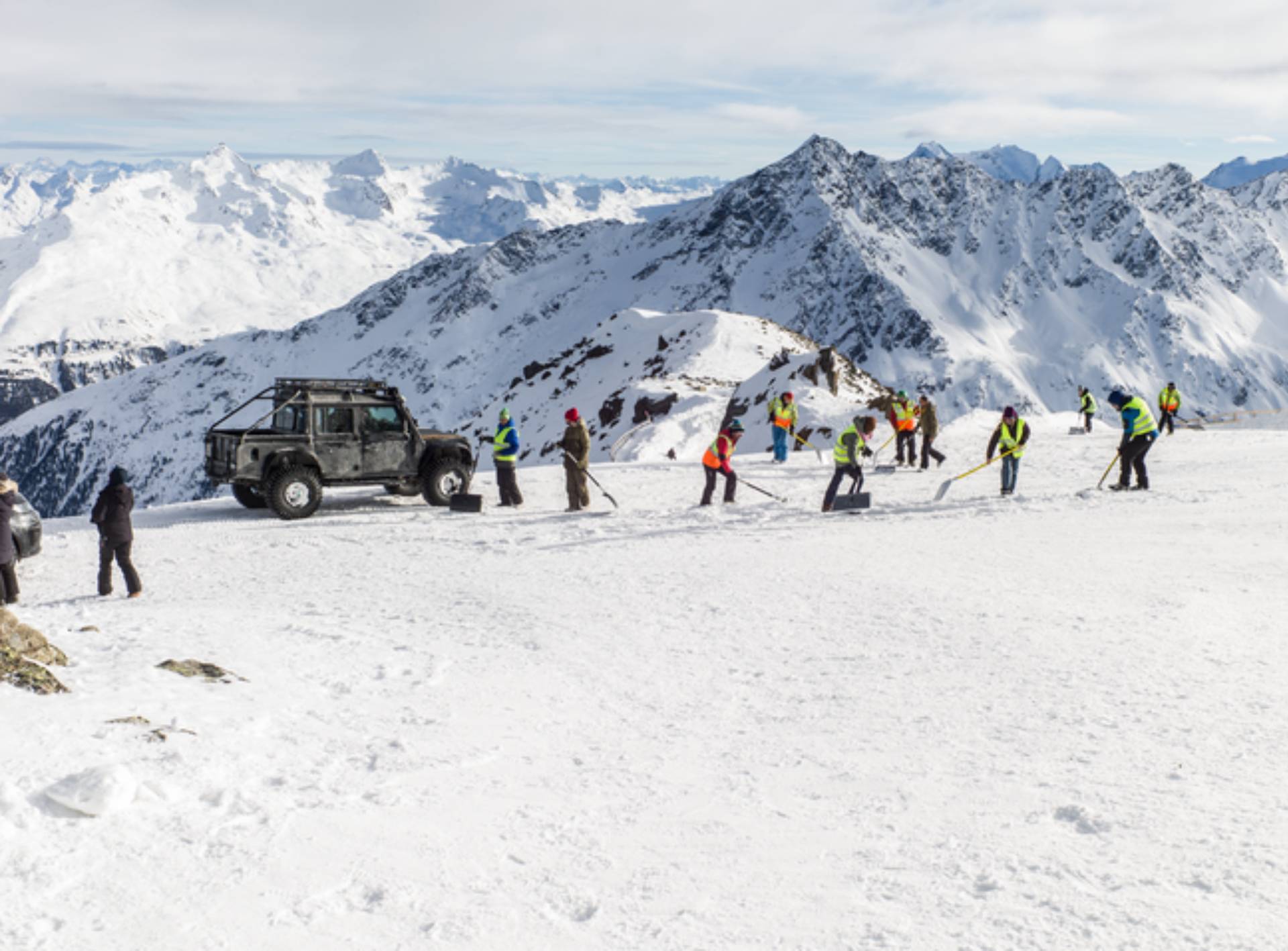
“Hoyte (Van Hoytema, cinematographer) gave a particular look for each country,” explained Witt. “For Austria we tried to do everything in the shade, so that it has a black-and-white look. The problem was that we had too much sun. We would shoot in the morning when it was overcast, then rehearse in the middle of the day when it was sunny, then maybe get some shots in the evening just after the sun went down.”
To shoot Bond’s plane following the cars along a treacherous mountain road, the unit moved to the Rettenbach Glacier, where once again the weather played havoc with the shoot.
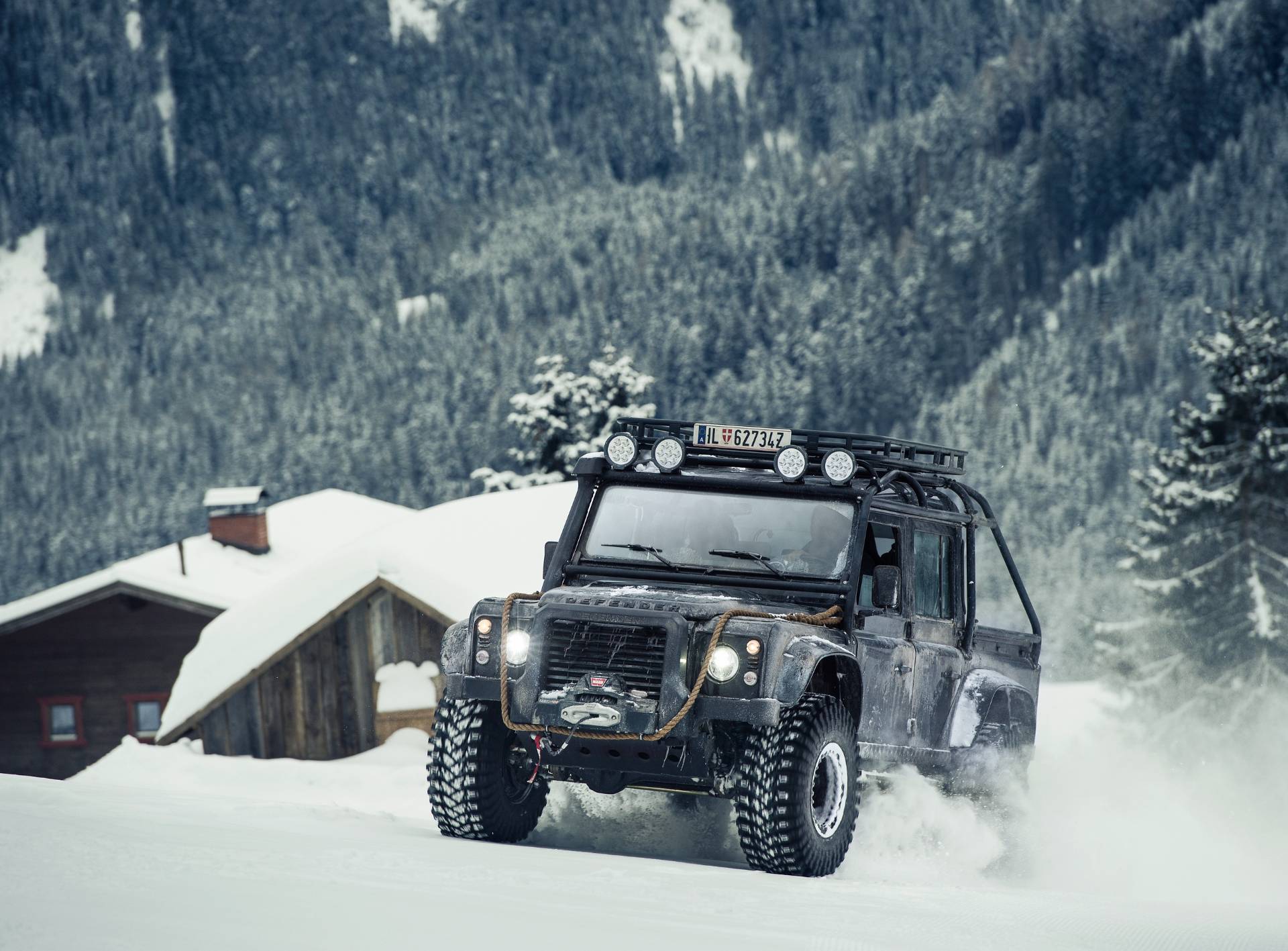
“In the morning the roads would be ice, it’d warm up by 10-6 degrees, and in the afternoon it’d go cold again,” said stunt coordinator Gary Powell. “We could do a run down, drive back up again, and the road could have turned to ice. We could go again, but we had to make sure there were studs in the tires, and we modified our driving.”
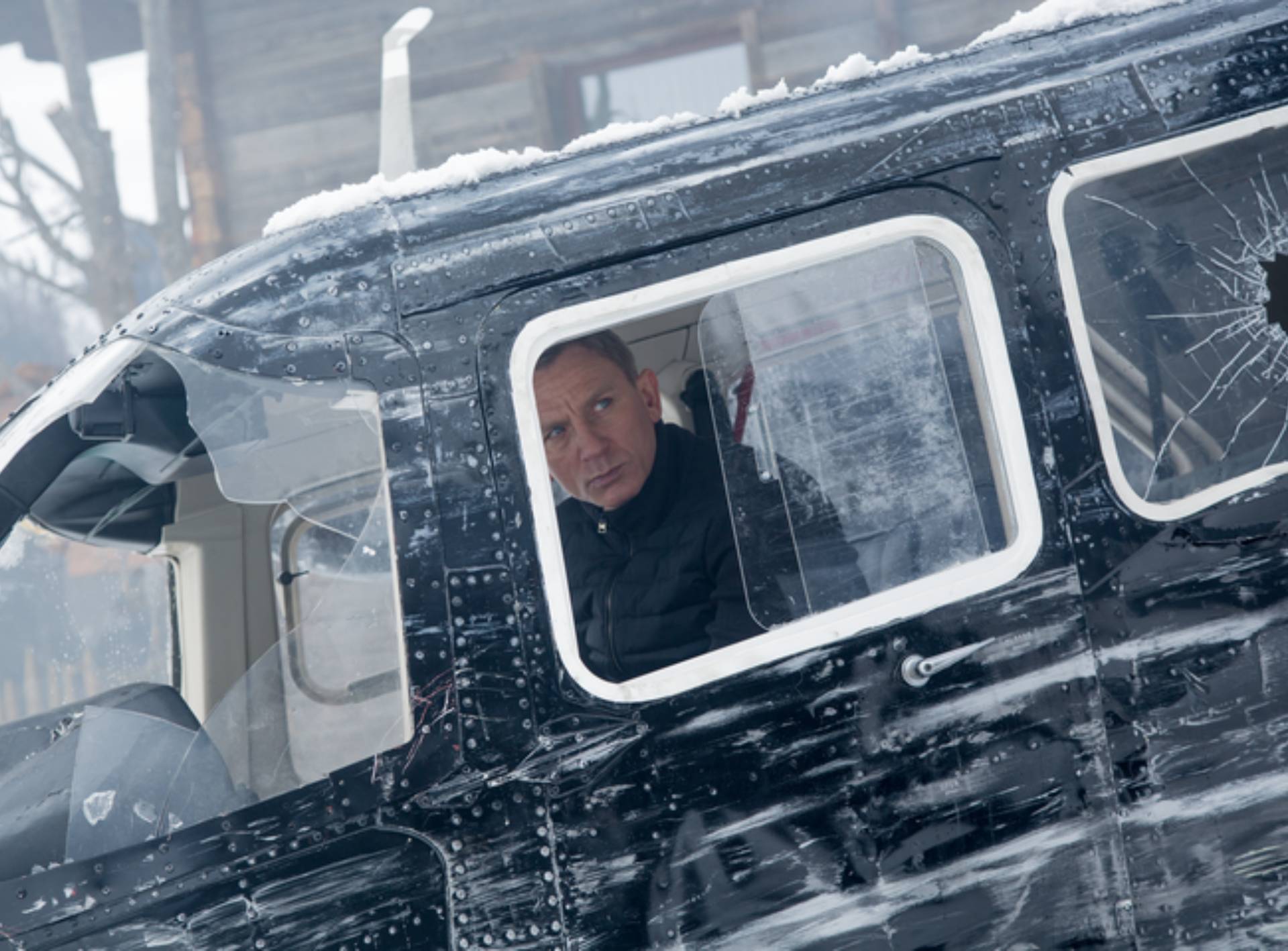
At a key point in the action, Hinx’s motorcade is speeding along a forest track when Bond heads directly toward them, daring the antagonists to flinch. To accomplish this in a safe, controlled manner, special effects supervisor Chris Corbould employed a similar method to the one used on Thunderball to land the miniature Vulcan smoothly on the water but on a much larger scale: a full-sized plane was suspended from a wire running between two giant cranes set at either end of the roadway. But, for Spectre, Corbould received some digital assistance to remove the various rigs and wires.
In all, Corbould and his special effects team used eight different planes for different sections of the chase; two for flying, two for work on the rig and another four, which were just shells that concealed hidden skidoos that could be used for the aircraft tobogganing down the mountainside, through a barn and careering into the convoy. It’s a fitting finale to a spectacular sequence.